Revolutionizing Parking: The Ultimate Guide to Effective Parking Management Systems

Revolutionizing Parking: The Ultimate Guide to Effective Parking Management Systems


Welcome to the ultimate guide on revolutionizing parking with effective management systems! In today's fast-paced world, finding a parking spot can often become a tiresome and frustrating experience. However, through innovative car park management systems, we have the power to change the parking landscape for the better.


A parking management system is an advanced solution designed to optimize the utilization of parking spaces in various settings, such as commercial complexes, shopping malls, airports, or even city streets. By leveraging technology and automation, these systems aim to enhance parking efficiency, reduce congestion, and provide a seamless parking experience for both vehicle owners and parking operators. Throughout this guide, we will explore the various features, benefits, and implementation strategies that make parking management systems a game-changer in the realm of urban mobility.


So whether you are a parking facility owner or a driver looking for stress-free parking solutions, buckle up as we delve into the world of car park management systems. Discover how these cutting-edge innovations are transforming the way we park our vehicles, making parking smoother, and maximizing the potential of available parking spaces. Let's embark on this journey together and unlock the key to revolutionizing parking!


Benefits of Using a Car Park Management System


Effective car park management systems offer numerous benefits for both car park owners and users. By implementing a robust parking management system, you can streamline operations, improve accessibility, and enhance overall customer experience.


Increased Efficiency: Car park management systems help maximize the utilization of available parking spaces by providing real-time updates on occupancy. By accurately monitoring and controlling the flow of vehicles, these systems enable efficient utilization of resources, reducing congestion and minimizing the time spent searching for parking spots.


Enhanced Security: With a car park management system, you can enhance the security of your car park facilities. Integrated surveillance cameras and access control mechanisms minimize the risk of unauthorized entry, ensuring the safety of both vehicles and individuals. Moreover, these systems often feature advanced monitoring tools that enable quick response in case of any security concerns or emergencies.


Improved User Experience: Implementing a car park management system significantly enhances the overall user experience. With features like automated payment systems, drivers can conveniently pay for parking using various payment options, eliminating the need for carrying cash or searching for change. Additionally, by providing real-time information on available parking spaces and guiding drivers to the nearest vacant spot, these systems reduce frustration and make parking a hassle-free experience.


Using a car park management system revolutionizes parking by introducing efficiency, security, and convenience for both car park owners and users. By optimizing parking operations and enhancing the overall experience, these systems play a vital role in modernizing the way we manage our parking facilities.


Key Features to Look for in a Parking Management System


  1. Ease of Use: When choosing a car park management system, it is important to consider its ease of use. Look for a system that offers a user-friendly interface, allowing both parking attendants and customers to navigate and operate it effortlessly. A well-designed system should have intuitive features and clear instructions to ensure a smooth parking experience for everyone involved.


  2. Integration Capabilities: Another vital feature to look for in a parking management system is its integration capabilities. Make sure the system can seamlessly integrate with other relevant systems, such as payment gateways, ticketing platforms, and surveillance cameras. This will enable efficient data exchange and streamline overall parking operations, leading to increased productivity and customer satisfaction.


  3. Real-time Monitoring and Reporting: An effective parking management system should provide real-time monitoring and reporting functionalities. It should be capable of generating accurate and up-to-date reports on parking occupancy, revenue collection, and any other relevant metrics. This feature will enable parking administrators to make data-driven decisions, optimize resource allocation, and improve overall parking efficiency.


Remember to evaluate these key features when selecting a parking management system to ensure that it meets your organization's specific needs and contributes to a more streamlined and efficient parking experience for all.


Implementation Tips for an Effective Parking Management System


    Explore

  1. Clear Communication:
    Establishing effective communication channels is crucial for the successful implementation of a parking management system. It is essential to ensure that all stakeholders, including parking attendants, administrators, and visitors, are well-informed about the new system. Detailed instructions and guidelines should be provided to explain how the system works, how to access it, and any requirements or restrictions associated with it. By fostering clear and consistent communication, any confusion or potential issues can be minimized, thus maximizing the benefits of the parking management system.


  2. Adequate Training:
    To optimize the utilization of a car park management system, it is necessary to provide comprehensive training to all staff members involved in its operation. This should encompass training on different aspects of the system, such as how to use the software, hardware, and any mobile applications associated with it. Training should not only cover day-to-day operations but also include troubleshooting techniques and understanding system alerts or notifications. By equipping the team with the necessary skills and knowledge, they will be better prepared to handle any challenges that may arise, leading to a more efficient parking management system.


  3. Regular Maintenance:
    Regular maintenance is essential to ensure the smooth functioning of a parking management system. This includes periodic inspections of sensors, gates, payment kiosks, and other hardware components to identify and address any issues promptly. Software updates and bug fixes should be applied regularly to keep the system up-to-date with the latest features and security enhancements. By incorporating a maintenance schedule into the implementation plan, potential disruptions or downtime can be minimized, maximizing the overall effectiveness of the parking management system.


Remember, the successful implementation of a parking management system relies on clear communication, adequate training, and regular maintenance. By following these implementation tips, you can revolutionize your parking facilities, streamline operations, and enhance the overall parking experience for both visitors and staff.



Mastering the Art of Stress-Free Parking: Unveiling the Ultimate Parking Management System

Welcome to the world of stress-free parking! In this fast-paced society, finding a suitable parking spot can be a real challenge. Whether you're navigating the bustling streets of the city or exploring a packed shopping mall, the search for a vacant parking space can quickly turn into a time-consuming and stressful endeavor. But fear not, as innovative technology and advanced systems have given birth to the ultimate solution – the car park management system.


Gone are the days of circling around aimlessly, squandering precious minutes on the hunt for an available spot. The parking management system, a game-changer in the world of parking, offers a seamless and efficient solution to this problem. Utilizing state-of-the-art techniques and intelligent algorithms, this advanced system revolutionizes the way we park our vehicles. Its primary objective is to optimize parking spaces, streamline the parking process, and ultimately enhance the overall convenience for drivers.


With the implementation of a car park management system, the days of frustrating searches for an empty slot will become a distant memory. This cutting-edge technology relies on a network of sensors, strategically placed at various intervals within the parking area. These sensors detect the presence or absence of vehicles, providing real-time data on parking availability. This information is then analyzed and displayed through user-friendly interfaces, allowing drivers to easily identify and navigate towards vacant spots.


By effortlessly directing drivers to unoccupied parking spaces, this system not only saves time and reduces stress but also promotes an eco-friendly approach to urban mobility. The seamless integration of a parking management system helps minimize traffic congestion, as drivers no longer waste unnecessary fuel and contribute to air pollution by circling endlessly in search of parking. Additionally, the efficient utilization of parking spaces translates into better capacity management, thus optimizing the use of existing infrastructure.


Get ready to bid farewell to chaotic parking experiences and embrace a hassle-free future with the ultimate parking management system. Its seamless integration into our lives promises to transform the way we approach parking forever. So, let's delve deeper into the world of this revolutionary technology and discover the countless benefits it brings to the table. Are you ready to park stress-free? Let's dive in and unveil the secrets of mastering the art of stress-free parking!


The Benefits of a Car Park Management System


  1. Enhanced Efficiency:
    A car park management system revolutionizes parking operations by streamlining various tasks. With advanced technology and automated processes, the system allows for a smooth and seamless parking experience. It minimizes the time spent searching for parking spaces, as drivers can easily locate available spots through real-time information provided by the system. By efficiently managing the allocation of parking spaces, the system significantly reduces congestion and increases the overall efficiency of any parking facility.


  2. Improved Security:
    Safety is a top priority when it comes to parking management, and a car park management system plays a crucial role in enhancing security measures. This system incorporates various security features such as surveillance cameras, access control, and automatic license plate recognition. These measures not only deter potential criminals but also provide a heightened level of safety for both vehicles and pedestrians. With constant monitoring and quick response capabilities, the system ensures a secure parking environment for all users.


  3. Optimal Revenue Generation:
    A reliable car park management system can maximize revenue potential for parking facility owners and operators. By implementing a ticketless parking system, the need for physical tickets is eliminated, reducing operational costs and increasing efficiency. The system can also integrate various payment methods, including mobile payment apps and online platforms, allowing for convenient and hassle-free transactions. With improved payment options, optimized pricing strategies, and data-driven insights, the system helps parking facilities generate optimal revenue and increase profitability.


https://watermelonparking.com/

Remember, this is section 1 of 3 sections in the article "Mastering the Art of Stress-Free Parking: Unveiling the Ultimate Parking Management System."


Key Features of an Effective Parking Management System


An effective parking management system encompasses a range of features that seamlessly streamline the parking process, ensuring a stress-free experience for both drivers and parking attendants. Here are three key features that contribute to the success of such a system:


  1. Real-time Monitoring: A highly efficient parking management system employs advanced technology to provide real-time monitoring of the parking facility. Through the utilization of sensors and cameras, the system constantly tracks the availability of parking spaces, allowing drivers to easily find open spots without wasting time. Additionally, parking attendants can keep a close eye on the state of the parking lot, ensuring prompt assistance to drivers in case of any issues or emergencies.


  2. Automated Payment and Ticketing: Another essential feature of an effective parking management system is the integration of automated payment and ticketing options. Through the use of cutting-edge payment technologies such as mobile applications or pay stations, drivers can effortlessly pay for their parking fees without the hassle of cash or paper tickets. This not only enhances convenience for the users, but also significantly reduces wait times for entry and exit, enabling smoother traffic flow within the parking facility.


  3. Data Analytics and Reporting: A well-designed parking management system incorporates robust data analytics capabilities to enhance efficiency and optimize resource allocation. By analyzing parking patterns, occupancy rates, and peak hours, parking operators can make informed decisions regarding pricing strategies, staffing requirements, and maintenance schedules. This data-driven approach enables them to maximize revenue, minimize congestion, and improve overall customer satisfaction.


In conclusion, an effective parking management system boasts key features such as real-time monitoring, automated payment and ticketing, and data analytics. By implementing these features, parking facilities can offer a stress-free parking experience, ensuring smoother operations and enhanced customer convenience.


Implementing a Seamless Parking Solution


One crucial aspect of achieving stress-free parking is implementing a seamless parking solution. A car park management system plays a pivotal role in streamlining the parking process and ensuring a hassle-free experience for both drivers and parking operators.


  1. Efficient Space Allocation: An effective parking management system optimizes space allocation to ensure that every available spot is utilized to its maximum potential. By utilizing advanced technologies such as parking sensors and smart algorithms, this system can accurately determine the availability of parking spaces in real-time, guiding drivers directly to the nearest vacant spot. This eliminates the frustration caused by endlessly circling a parking lot in search of an empty spot, significantly reducing congestion and wait times.


  2. Convenient Payment Methods: A seamless parking solution also includes a range of convenient payment methods to make the entire parking experience smoother. Cashless transactions through mobile apps or contactless payment options like credit cards or prepaid parking cards minimize the need for physical currency exchange. This not only saves time but also enhances security by reducing the risk of theft or loss associated with carrying cash.


  3. Enhanced Security and Surveillance: To provide peace of mind to drivers, a reliable parking management system incorporates comprehensive security and surveillance measures. By strategically deploying CCTV cameras throughout the parking facility, any suspicious activities can be detected and quickly addressed. Additionally, the integration of robust access control systems, such as electronic gates or barriers, helps regulate and monitor the entry and exit of vehicles for enhanced security measures.


By implementing a seamless parking solution through a car park management system, parking operators can minimize the challenges and frustrations associated with finding and managing parking spaces. Such a system not only enhances the overall efficiency of the parking facility but also contributes to a stress-free and pleasant parking experience for all users.


The Road to Recovery: Navigating Drug Rehabilitation

Introduction:
Drug rehabilitation is a critical process that aims to help individuals overcome their addiction and build a healthier, substance-free life. Whether it is alcohol or illegal drugs, substance abuse can have devastating effects on a person's physical and mental well-being, as well as their relationships and overall quality of life. The journey towards recovery may seem challenging and overwhelming at times, but with the right guidance and support, it is possible to regain control and find new hope. In this comprehensive guide, we will explore the various aspects of drug rehabilitation, including its importance, different treatment options, and the key steps involved in the recovery process. So, if you or someone you know is struggling with addiction, keep reading to gain valuable insights on navigating the road to recovery.


Understanding Drug Rehabilitation


In order to embark on the journey of drug rehabilitation, it is important to have a clear understanding of what it entails. Drug rehabilitation is a process aimed at helping individuals overcome their addiction to drugs or alcohol, and regain control over their lives. This guide will provide you with essential information and practical steps to navigate the complexities of drug rehabilitation.


One of the key aspects of drug rehabilitation is detoxification. This is the initial phase where the body rids itself of harmful substances. It can be a challenging process, both physically and mentally, as withdrawal symptoms may arise. However, proper medical supervision and support can greatly assist in managing these symptoms and ensuring a safe detoxification process.


Once detoxification is complete, the focus shifts towards comprehensive treatment and therapy. This often includes individual counseling, group therapy, and educational sessions to equip individuals with the necessary tools to cope with cravings and prevent relapse. Understanding the underlying causes of addiction and addressing them through therapy plays a crucial role in achieving long-term recovery.


Drug rehabilitation is not a one-size-fits-all approach. The methods and programs used can vary depending on the type and severity of addiction, as well as individual needs and preferences. Some individuals may benefit from inpatient rehabilitation, where they reside in a facility for a period of time, while others may opt for outpatient programs that allow them to receive treatment while still maintaining their daily routines.


In conclusion, drug rehabilitation is a holistic process that encompasses various stages and approaches aimed at helping individuals break free from addiction. By understanding the fundamentals of drug rehabilitation, you can better navigate this journey towards recovery and embrace a healthier, drug-free life.


In alcohol rehabilitation, navigating the road to recovery can be a challenging journey filled with ups and downs. It requires determination, support, and a willingness to make positive changes. This section aims to provide a guide for individuals seeking alcohol rehabilitation and offer insights into the process.


  1. Acknowledging the Problem
    The first step in alcohol rehabilitation is acknowledging the presence of a problem. It takes courage to admit that alcohol has become an issue in one's life. Accepting this reality is essential for embarking on the path to recovery and seeking the necessary help and support.


    Find Out More


  2. Seeking Professional Assistance
    Once an individual has acknowledged the need for alcohol rehabilitation, it is crucial to seek professional assistance. Qualified professionals, such as doctors, therapists, and addiction counselors, can play a vital role in providing guidance and support throughout the recovery process. They can help develop personalized treatment plans and provide the necessary tools and resources for overcoming alcohol addiction.


  3. Building a Support System
    Recovery from alcohol addiction is not a journey that should be taken alone. Building a strong support system is crucial for success. This can include friends, family members, support groups, or mentors who can offer encouragement, understanding, and accountability. Connecting with others who have experienced similar struggles can provide a sense of belonging and inspiration during challenging times.


Remember, alcohol rehabilitation is a unique and personal journey, and everyone's path to recovery may differ. It is important to approach this process with patience, self-compassion, and a commitment to making positive changes in life. By navigating alcohol rehabilitation with determination and a supportive network, individuals can find themselves on the road to a healthier, alcohol-free future.


Key Considerations for Successful Recovery


  1. Establishing a Support System:


Recovery from drug addiction or alcohol dependency can be a challenging journey, and having a strong support system is crucial. Surrounding yourself with understanding and encouraging individuals who can provide emotional support, guidance, and accountability can greatly enhance your chances of achieving successful rehabilitation. This may include close friends, family members, or joining support groups where you can connect with people who have gone through similar experiences.


  1. Developing Coping Mechanisms:


During the recovery process, it's important to identify and develop healthy coping mechanisms that can help you navigate the challenges and triggers that may arise. This could involve finding alternative activities or hobbies that bring you joy and fulfillment, practicing relaxation techniques such as deep breathing or meditation, or seeking professional therapy to address underlying emotional issues. By proactively addressing potential stressors and finding healthier ways to cope, you can significantly increase your chances of maintaining a drug-free and sober lifestyle.


  1. Making Lifestyle Changes:


Rehabilitation is not just about abstaining from drugs or alcohol; it often requires making broader lifestyle changes to support your recovery. This may involve evaluating your social circle, avoiding environments or situations that may tempt you to relapse, and making positive adjustments to your daily routine. Additionally, adopting a healthier lifestyle by incorporating regular exercise, proper nutrition, and adequate sleep can contribute to your overall well-being and enhance your ability to stay on the path to recovery.


Remember, successful recovery is a highly personal journey, and what works for one individual may not work for another. It's essential to prioritize self-care, be patient with yourself, and seek professional guidance when needed. With determination, the right support system, and a commitment to positive change, you can navigate the road to recovery and reclaim control of your life.


Breaking Free: A Journey to Sobriety in Alcohol Rehabilitation

Welcome to a journey of hope, resilience, and transformation. In this article, we will delve into the world of alcohol rehabilitation, shedding light on the path towards breaking free from the grip of addiction. Navigating through the intricate process of recovery can be a daunting task, but armed with the right knowledge and support, a brighter future lies ahead. Whether you are seeking guidance for yourself or a loved one, this guide aims to provide valuable insights, practical resources, and heartfelt encouragement to help you forge a new path towards sobriety. Join us as we embark on this powerful quest for healing and reclaiming control over one's life.


Understanding Addiction


Addiction is a complex and often misunderstood condition that affects millions of individuals worldwide. It is a chronic disease characterized by the compulsive and uncontrollable use of substances, such as alcohol, despite the negative consequences that may arise.


One important aspect to understand about addiction is that it is not simply a matter of willpower or moral failing. Rather, it is rooted in both biological and psychological factors that can make quitting a difficult endeavor. The brain's reward system is heavily involved in addiction, with substances like alcohol triggering the release of dopamine, a neurotransmitter associated with pleasure and reinforcement. This reinforcement can create a powerful cycle of craving and substance use.


Additionally, addiction can have profound effects on an individual's mental and emotional well-being. It is common for people struggling with addiction to experience feelings of shame, guilt, and isolation. These emotional factors, along with often challenging life circumstances, can further perpetuate the cycle of substance use and make recovery seem daunting.


Rehabs In Mumbai

Understanding addiction as a disease rather than a moral failing is crucial in order to approach treatment and rehabilitation with compassion and effectiveness. By recognizing the underlying mechanisms at play and addressing the multifaceted nature of addiction, individuals can embark on the journey to sobriety with a greater sense of hope and empowerment.


The Road to Recovery


In the journey of alcohol rehabilitation, the road to recovery is often filled with challenges and obstacles to overcome. It is a path that requires great strength, determination, and support. This article serves as a guide to help individuals navigate through this transformative process and find their way to sobriety.


The first step on this road to recovery is acknowledging the problem and making the decision to seek help. It takes courage to face the reality of alcohol addiction and take ownership of one's actions. By reaching out for support, individuals open themselves up to the possibility of a brighter future free from the burdens of alcohol dependency.


Once the decision to seek help is made, the next step is finding the right alcohol rehabilitation program. Choosing the most suitable program is crucial in ensuring a successful recovery. There are various options available, ranging from inpatient programs that provide 24/7 support and supervision, to outpatient programs which allow individuals to receive treatment while maintaining their daily responsibilities. Each person's situation is unique, and it's important to find a program that aligns with individual needs and circumstances.


During the rehabilitation process, individuals are provided with a range of therapies and counseling to address not only the physical aspects of addiction but also the underlying emotional and psychological factors. These therapies equip individuals with the tools and coping mechanisms necessary to navigate life without alcohol. From cognitive-behavioral therapy to group counseling, each component of the rehabilitation program plays a vital role in building a foundation for long-term sobriety.


The road to recovery in alcohol rehabilitation is undoubtedly challenging, but it is also a transformative journey filled with growth and self-discovery. With the right support system, determination, and a commitment to change, individuals can break free from the grips of alcohol addiction and embark on a new path towards a healthier and happier life.


Building a Support System


In the journey towards sobriety in alcohol rehabilitation, having a strong support system is crucial. This support can come from various sources, including family, friends, and support groups.


Firstly, the love and encouragement from family and friends can play a significant role in an individual's recovery. Their unwavering support, understanding, and willingness to help can provide a sense of belonging and additional motivation. Whether it's through listening, offering a helping hand, or participating in activities that promote a sober lifestyle, having the support of loved ones can make a world of difference.


Secondly, joining support groups specifically tailored for individuals going through alcohol rehabilitation can offer tremendous support. These groups provide a safe and non-judgmental space where individuals can share their experiences and receive encouragement from those who have been through similar struggles. Support groups often facilitate open discussions, offer guidance, and provide valuable resources to aid in the recovery process.


Lastly, seeking professional guidance from therapists and counselors can be instrumental in building a strong support system. These mental health professionals specialize in addiction recovery and can provide invaluable guidance, tools, and strategies to navigate the challenges that may arise during the alcohol rehabilitation journey. Their expertise and professional support can empower individuals to overcome obstacles and develop healthier coping mechanisms.


By actively building a support system that encompasses the support of loved ones, participation in support groups, and the guidance of professionals, individuals in alcohol rehabilitation can enhance their chances of successfully breaking free from the grips of addiction. Remember, you are not alone, and with the right support, recovery is possible.


Breaking Free: The Journey to Sobriety in Drug Rehabilitation

Drug rehabilitation is a transformative journey that holds the promise of a brighter future for those seeking to overcome addiction. It represents an opportunity to break free from the chains of substance abuse and rediscover a life filled with purpose and joy. While the path to sobriety may be challenging, the guidance and support provided through drug rehabilitation programs offer a beacon of hope for individuals ready to embark on this life-changing endeavor.


The drug rehabilitation journey begins with a deep commitment to self-improvement and an acknowledgement of the need for change. It is an empowering decision to step out of the grips of addiction and into a world of recovery and healing. With the help of skilled professionals, who understand the complexities of addiction, individuals can find solace in knowing that they are not alone in their struggle.


Whether it be drug or alcohol rehabilitation, the underlying principles remain the same - providing a safe and structured environment for recovery to take place. Through a combination of therapy, counseling, and various evidence-based treatment techniques, individuals are equipped with the necessary tools to confront the root causes of their addiction and develop coping mechanisms that promote sustainable sobriety.


Drug rehabilitation should not be seen as a one-size-fits-all approach but rather a personalized journey tailored to individual needs. Each person's experience with addiction is unique, and as such, their path towards recovery will also reflect this. With a holistic approach that encompasses physical, mental, and emotional well-being, individuals are given the opportunity to heal not only their bodies but also their minds and spirits.


Throughout the drug rehabilitation process, a strong support system plays an instrumental role. Friends, family, and fellow individuals on the same journey can offer encouragement, understanding, and reassurance when faced with moments of self-doubt. The road to sobriety may have its ups and downs, but with a loving and understanding network, individuals can find the strength to persevere.


Breaking free from the clutches of addiction is an incredibly courageous and transformative experience. It requires dedication, resilience, and a willingness to confront the past while embracing a brighter future. With the guidance of drug rehabilitation programs, individuals can embark on this profound journey towards sobriety, paving the way for a life full of freedom, fulfillment, and endless possibilities.


Understanding Addiction and Seeking Help


Addiction is a complex issue that can have a profound impact on individuals and their loved ones. It is a condition characterized by the compulsive use of substances, such as drugs or alcohol, despite harmful consequences. The journey to sobriety starts with understanding the nature of addiction and recognizing the need for help.


For many individuals, addiction begins as a means to cope with various challenges and pressures in life. Whether it's seeking an escape from emotional pain or trying to fit in socially, the initial use of drugs or alcohol can quickly spiral out of control. Soon, what may have been recreational or occasional use transforms into a dependency that becomes increasingly difficult to break free from.


Recognizing the need for help is a crucial first step towards recovery. Often, individuals may feel ashamed or hesitant to seek assistance due to the stigma surrounding addiction. However, it is important to remember that addiction is a medical condition and seeking help is a sign of strength, not weakness.


Reaching out for support can come in various forms, such as confiding in a trusted friend or family member, speaking to a healthcare professional, or seeking guidance from a specialized drug rehabilitation center. There are numerous resources available for individuals looking to overcome their addiction and begin their journey to sobriety.


In the next sections of this guide, we will delve deeper into the steps involved in drug rehabilitation and alcohol rehabilitation. From detoxification to therapy and aftercare, we will provide you with valuable insights and tools to help you break free from addiction and create a healthier, happier future. Remember, you are not alone in this journey, and with the right support and determination, recovery is possible.


The Road to Recovery: Drug Rehabilitation


In the journey to sobriety, drug rehabilitation serves as an essential guide for those seeking freedom from substance abuse. With a focus on overcoming addiction and reclaiming a life of well-being, drug rehabilitation programs offer individuals the support and tools necessary to break free from the grip of drugs. Whether battling drug dependency or alcohol addiction, these rehabilitation guides pave the way towards lasting recovery.


  1. Understanding the Addiction: Drug rehabilitation begins by acknowledging the power of addiction and its devastating impact on individuals and their loved ones. It is crucial to recognize that addiction is not a moral failing, but a complex health condition that requires professional intervention and support. Through personalized assessments, addiction specialists gain insight into the specific challenges faced by each individual, allowing for a tailored treatment approach.


  2. Embracing Comprehensive Treatments: Drug rehabilitation programs adopt a comprehensive approach to address the physical, emotional, and social aspects of addiction. Treatment plans may include detoxification, therapy sessions, counseling, group support, and holistic activities aimed at promoting overall well-being. By combining these different modalities, rehabilitation guides individuals towards a holistic recovery, helping them rebuild their lives from the inside out.


  3. Building a Support Network: In drug rehabilitation, individuals are encouraged to establish a strong support network as a fundamental pillar of their recovery journey. Engaging with peers who have faced similar challenges and understanding the experiences of others in recovery can foster a sense of belonging and shared strength. Connecting with support groups, attending group therapy sessions, and forging meaningful relationships encourages accountability, reduces feelings of isolation, and provides ongoing encouragement in maintaining sobriety.


  4. Sign Up

By embracing drug rehabilitation as a catalyst for change, individuals can embark on a transformative journey towards lasting sobriety. Through the understanding of addiction, comprehensive treatments, and the power of a strong support network, individuals can break free from the chains of substance abuse, reclaim their lives, and embrace a future filled with hope and possibilities.


Overcoming Alcohol Dependence: Alcohol Rehabilitation


Alcohol dependence is a serious issue that affects many individuals worldwide. It can greatly impact one's physical and mental health, as well as their relationships and overall quality of life. Fortunately, there are effective methods for overcoming alcohol dependence through alcohol rehabilitation programs.


Alcohol rehabilitation programs are designed to provide comprehensive support and treatment to individuals struggling with alcohol addiction. These programs typically offer a combination of medical, psychological, and social interventions to address the various aspects of alcohol dependence.


Medical intervention is a crucial component of alcohol rehabilitation. Detoxification is often the first step in this process, as it allows the individual to safely withdraw from alcohol under medical supervision. Medications may also be prescribed to help manage withdrawal symptoms and reduce cravings during the recovery process.


Alongside medical intervention, psychological support plays a significant role in alcohol rehabilitation. Counseling and therapy sessions are used to address the underlying causes and triggers of alcohol addiction. These sessions assist individuals in understanding the root of their dependence and developing coping strategies to avoid relapse.


Additionally, social interventions are implemented to support individuals during their recovery journey. This may involve participation in support groups or engaging in activities that promote a sober lifestyle. Building a strong support network is crucial for individuals to feel understood, encouraged, and motivated throughout their recovery process.


In conclusion, alcohol rehabilitation programs provide a structured and supportive environment for individuals looking to overcome alcohol dependence. Through a combination of medical, psychological, and social interventions, these programs address the physical and psychological aspects of addiction. With the right support and determination, individuals can break free from alcohol dependence and embark on a healthier, sober life.


The Ultimate Guide to Understanding Wedge Gate Valves: A Complete Overview

The wedge gate valve is a crucial component in various industries that rely on efficient fluid control systems. As one of the most commonly used industrial valves, the wedge gate valve offers a reliable solution for regulating the flow of liquids or gases. With its sturdy construction and versatile design, this valve has become a go-to choice for many applications.


Designed with a gate that resembles a wedge shape, the wedge gate valve is ideal for controlling the flow of media through pipes or channels. It operates by lowering or raising the gate to either block or allow the passage of gases or fluids. This mechanism ensures precise control over the flow rate, making it highly beneficial for industries where accuracy is imperative.


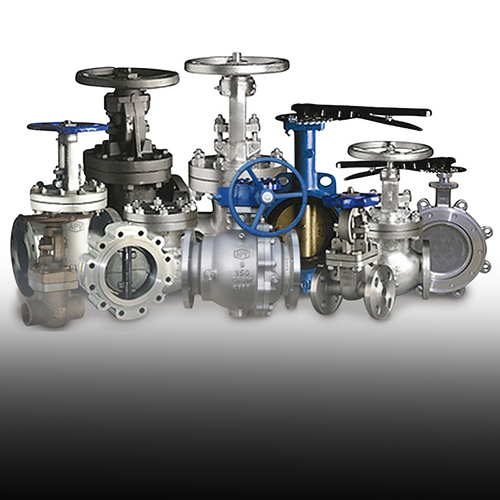
There are different types of wedge gate valves available in the market to cater to specific needs. The most widely used is the flanged gate valve, which features flanges on either side to facilitate easy installation and maintenance. Another common variant is the water gate valve, specifically designed to regulate water flow in pipelines. And for applications requiring robustness and durability, the cast iron gate valve is an excellent option.


Understanding the ins and outs of wedge gate valves is crucial in successfully implementing fluid control systems. In this comprehensive guide, we will delve deeper into the functionality, applications, and benefits of wedge gate valves. By the end, you'll have a thorough overview of this indispensable component and its significance in diverse industries. So let's dive in and explore the world of wedge gate valves!


1. Industrial Valves: An Introduction


Industrial valves play a crucial role in a wide range of applications, enabling the control and regulation of fluid flow within various systems. These valves serve as important components, allowing the efficient operation of pipelines, process plants, and other industrial processes. One such type of valve is the wedge gate valve, which exhibits unique characteristics and functionality.


The wedge gate valve belongs to the family of flanged gate valves, which are commonly used in industries such as oil and gas, water treatment, and chemical processing. These valves are designed to handle a diverse range of fluids, including liquids, gases, and even abrasive substances. By providing reliable shut-off capabilities, wedge gate valves ensure the efficient functioning and safety of various industrial systems.


Water gate valves, another variant of gate valves, are specifically designed to control the flow of water within water supply systems. With their sturdy construction, these valves are capable of withstanding high pressures and maintaining a tight seal, thereby preventing leakage and ensuring smooth water distribution. Water gate valves are often made from robust materials like cast iron, which further enhances their durability and longevity.


Cast iron gate valves, as the name suggests, are gate valves constructed primarily from cast iron. These valves offer excellent resistance to corrosion and are suitable for a wide range of industrial applications. With their ability to handle high temperatures and pressures, cast iron gate valves are highly reliable, making them an ideal choice for various industrial sectors.


Gate Valve Manufacturer

In the next sections of this comprehensive guide, we will delve deeper into the functionalities, design aspects, and applications of wedge gate valves. Understanding these key aspects will provide you with valuable insights into the operation and significance of this essential industrial valve.


2. Understanding Wedge Gate Valves


Wedge gate valves are an essential component in industrial valves, specifically designed to regulate the flow of fluids in a pipeline. These valves are particularly well-suited for applications that require isolation or throttling of fluids.


One type of wedge gate valve is the flanged gate valve. This valve features a wedge-shaped gate that moves up and down within the valve body to control the flow of the fluid. The flanged design allows for easy installation and maintenance, making it a popular choice in many industries.


Another commonly used wedge gate valve is the water gate valve. This type of valve is specifically designed for water applications, offering reliable and efficient flow control. The streamlined design of the water gate valve ensures minimal pressure drop, making it ideal for water distribution systems.


Additionally, a cast iron gate valve is a type of wedge gate valve that is widely used for its durability and strength. Made of cast iron, these valves are capable of handling high pressure and temperature conditions, making them suitable for various industrial applications.


Understanding the different types and features of wedge gate valves is crucial for efficient fluid control in industrial settings. Whether it's the flanged gate valve, water gate valve, or cast iron gate valve, each of these variants plays a significant role in ensuring the smooth operation of pipelines and systems.


3. Types of Gate Valves: Flanged, Water, and Cast Iron


Gate valves are widely used in industrial applications for their ability to regulate and control the flow of various substances. Among the different types available, three common variations are the Flanged Gate Valve, Water Gate Valve, and Cast Iron Gate Valve.


  1. Flanged Gate Valve:
    The Flanged Gate Valve is designed with flanges on either end for easy installation and connection to the pipeline system. These valves are commonly used in high-pressure systems where a tight seal is crucial. The flanged ends allow for a secure and leak-free connection, ensuring the smooth operation of industrial processes.


  2. Water Gate Valve:
    As the name suggests, Water Gate Valves are specifically designed for controlling the flow of water. These valves are commonly used in plumbing systems, irrigation networks, and water treatment plants. Water Gate Valves are often made from materials that can resist corrosion and withstand the harsh conditions of water-based applications.


  3. Cast Iron Gate Valve:
    Cast Iron Gate Valves are robust and durable options that are widely used in various industrial settings. These valves are known for their strength and ability to handle high-pressure conditions. Cast iron construction provides these valves with exceptional longevity, making them ideal for heavy-duty applications such as oil and gas pipelines.


Understanding the different types of gate valves, including the Flanged, Water, and Cast Iron variations, is essential for selecting the right valve for specific industrial needs. Each type offers distinct features and benefits suited to various applications, ensuring efficient and reliable flow control in industrial processes.


The Art of Trading: Mastering the Market Game

Trading finance online has revolutionized the way individuals participate in the global market game. With just a few clicks, investors can now access a vast array of financial assets and engage in trading activities from the comfort of their own homes. But how exactly does online trading work and what are the key things to know to successfully navigate this digital marketplace?


At its core, online trading refers to the buying and selling of financial instruments such as stocks, currencies, commodities, and derivatives through internet-based platforms. These platforms, often provided by brokerage firms, enable traders to execute trades, monitor their investments, and access a wealth of market data and analysis tools. Gone are the days of relying solely on traditional brick-and-mortar exchanges or financial intermediaries as online trading has democratized the market, allowing individuals to directly participate in the exciting world of finance.


The advent of online trading has brought about significant advantages for both seasoned investors and newcomers to the market. In addition to the convenience it offers, online trading provides faster execution of trades, access to real-time market prices, and the ability to implement various trading strategies quickly. Furthermore, with the availability of educational resources, online tutorials, and professional guidance, individuals can now develop their trading skills and knowledge at their own pace.


In the following article, we will delve deeper into the art of trading and explore the various aspects that can contribute to mastering the market game. From understanding different trading strategies to managing risk and analyzing market trends, we will provide valuable insights and practical tips for aspiring traders to enhance their trading performance. So, buckle up and get ready to embark on an exciting journey into the world of online trading!


1. Understanding Online Trading


Online trading has revolutionized the world of finance, providing individuals with the opportunity to participate in the market game from the comfort of their own homes. With just a few clicks, traders can buy and sell a wide range of financial instruments, including stocks, currencies, commodities, and more.


So how does online trading actually work? Essentially, it involves using an online brokerage platform to connect buyers and sellers in the market. These platforms act as intermediaries, allowing individuals to place orders and execute trades in real-time. To get started, traders typically need to open an account with a brokerage firm and deposit funds into it.


Once the account is set up and funded, traders can access a wide range of financial markets and instruments from their computer or mobile device. They can analyze market trends and make informed decisions based on various indicators and tools available on the trading platform. When a trade is executed, the platform facilitates the transaction, ensuring that the buyer receives the purchased asset and the seller receives the agreed-upon payment.


Online trading offers numerous advantages over traditional methods. It provides instant access to global markets, allowing traders to take advantage of opportunities around the clock. Additionally, the transparency and real-time data available on trading platforms enable traders to make informed decisions and react quickly to market changes.


In conclusion, online trading has democratized the world of finance, empowering individuals to become active participants in the market. Understanding how online trading works is essential for anyone looking to get involved in this exciting and dynamic activity. So, let's delve deeper into the world of trading and explore the strategies and techniques that can help master the market game.


2. Key Elements of Online Trading


In online trading, there are three key elements that form the foundation of this dynamic financial activity. Understanding these elements is essential for anyone looking to master the art of trading and navigate the market game effectively. So let's delve into the key components that make up online trading.


  1. Market Access: Trading finance online provides individuals with convenient access to a wide range of financial markets. Through online platforms, traders can participate in the buying and selling of various assets, such as stocks, currencies, commodities, and more. These platforms act as intermediaries, connecting traders to the markets and providing tools and resources to facilitate the trading process.


  2. Order Placement: Once traders have selected the market they wish to trade in, they need to place orders to buy or sell assets. Online trading platforms enable users to enter specific instructions for their trades, including the type of order (e.g., market order or limit order), the quantity of assets to be traded, and the desired price level. These platforms often offer real-time price quotes and charts to help traders make informed decisions when placing orders.


  3. Execution and Settlement: After placing an order, the next crucial step is the execution and settlement process. When a trade is executed, it means the order is matched with a counterparty willing to take the opposite trade. This matching process occurs electronically through the trading platform's network. Once the trade is executed, the settlement process begins, which involves the transfer of ownership of the assets and the corresponding payment. Online trading platforms often provide secure and efficient mechanisms for seamless execution and settlement.


Understanding these key elements of online trading is fundamental to gaining mastery in the market game. By grasping market access, order placement, and execution/settlement processes, traders can navigate the online trading landscape with confidence and make well-informed decisions to potentially reap financial rewards.


3. Tips for Successful Online Trading


  1. Start with a solid understanding of the market:
    Knowledge is key when it comes to online trading. Before jumping into the world of online trading finance, take the time to educate yourself about the market you wish to trade in. Learn about different investment options, financial instruments, and the factors that can influence market trends. A strong foundation of knowledge will enable you to make informed decisions and increase your chances of success in the market game.


    CentralPlusFinance


  2. Develop a well-defined trading strategy:
    Having a well-defined trading strategy is crucial for successful online trading. A trading strategy outlines your approach to buying and selling assets, sets your risk tolerance level, and helps you stay consistent in your decision-making process. Whether you prefer a long-term investment approach or a more short-term trading strategy, having a plan in place will improve your chances of achieving your desired financial goals.


  3. Regularly analyze and review your trades:
    Continuous analysis and review of your trades is essential in the online trading arena. Keep track of your trades, monitor your portfolio's performance, and evaluate the impact of your trading decisions. By analyzing your trades, you can identify patterns, learn from past mistakes, and refine your trading strategy over time. Regular review will help you adapt to changing market conditions and improve your overall trading proficiency.


Remember, successful online trading requires discipline, patience, and continuous learning. By following these tips and consistently honing your trading skills, you'll be on your way to mastering the market game.


The Smoothest Solution: Unveiling the Benefits of Laser Hair Removal

Have you ever dreamed of permanently saying goodbye to unwanted body hair? Well, laser hair removal might just be the smoothest solution you've been searching for. This innovative procedure has gained popularity in recent years, thanks to its numerous benefits and long-lasting results. Whether you're tired of constantly shaving, waxing, or plucking, laser hair removal offers a more efficient and effective alternative. By harnessing the power of advanced laser technology, this procedure targets hair follicles, leaving you with smooth, hair-free skin. Say farewell to tedious hair removal routines and hello to a hassle-free lifestyle with laser hair removal.


Unlike traditional hair removal methods, laser hair removal offers a more permanent solution that goes beyond the surface. By targeting the pigment within the hair follicles, the laser effectively disables their ability to produce new hair. This means that over time, you can expect to see a significant reduction in hair growth, and in some cases, complete hair loss in the treated areas. Not only does this save you time and effort in the long run, but it also eliminates the need for constant maintenance, allowing you to enjoy effortlessly smooth skin day in and day out.


Additionally, laser hair removal offers precision and versatility like no other method. Whether you're looking to treat larger areas like the legs or smaller, more delicate areas such as the upper lip or bikini line, lasers can be adjusted to target specific hair types and skin tones. This makes it a suitable option for individuals with various hair and skin characteristics. Plus, with advancements in technology, laser hair removal has become more comfortable and virtually painless, ensuring a more pleasant experience for those seeking silky smooth results.


Ready to bid farewell to bothersome body hair? Laser hair removal opens the door to a life free from constant grooming and provides long-lasting, incredible results. Say hello to a smoother you and discover the benefits of laser hair removal today.


1. How Does Laser Hair Removal Work?


Laser hair removal is a popular method of achieving long-term hair reduction. It works by utilizing concentrated beams of light to target and destroy hair follicles. During the procedure, a handheld device is used that emits pulses of laser energy onto the area being treated.


The laser energy is absorbed by the pigment present in the hair follicles, which causes damage to their cells. This damage inhibits future hair growth, leading to a significant reduction in unwanted hair over time. It is important to note that laser hair removal is most effective on darker hair, as the laser energy is better absorbed by darker pigments.


The procedure is generally safe and minimally invasive, with most individuals experiencing only mild discomfort during treatment. Multiple sessions are usually required for optimal results, as hair grows in cycles and not all follicles are active at the same time. However, with each session, the targeted hair follicles are progressively weakened, resulting in smoother and longer-lasting hair reduction.


Laser hair removal offers several advantages over traditional hair removal methods. It provides a precise and targeted approach, selectively destroying unwanted hair without causing damage to the surrounding skin. The results are long-lasting, with many individuals experiencing permanent hair reduction after completing their treatment sessions. Additionally, compared to other methods like waxing or shaving, laser hair removal is relatively time-saving, as larger areas can be treated in a single session.


In conclusion, laser hair removal is a highly effective and efficient method for achieving long-term hair reduction. By harnessing the power of laser technology, this procedure successfully targets and damages hair follicles, leading to a significant reduction in unwanted hair. Its precision, long-lasting results, and time-saving benefits make it a popular choice among individuals seeking a smooth and hair-free appearance.


2. Advantages of Laser Hair Removal


  1. Long-Term Results: Laser hair removal offers long-lasting results compared to other hair removal methods such as shaving or waxing. By targeting the hair follicles, the laser treatment reduces hair growth, resulting in smoother skin for an extended period.


  2. Precision: Laser hair removal can precisely target specific areas without affecting the surrounding skin. This accuracy allows for thorough hair removal while minimizing the risk of irritation or damage to the skin.


  3. Time and Cost-Effective: Although laser hair removal may require multiple sessions for optimal results, it can save time and money in the long run. Unlike constant shaving or waxing, laser treatment reduces the need for regular maintenance, making it a convenient option for those seeking a more permanent solution.


Remember, when it comes to laser hair removal, the benefits go beyond just removing unwanted hair. The smooth, hair-free skin you can achieve through this method can offer a boost in confidence and simplify your daily grooming routine.


3. What to Expect During and After Treatment


During a laser hair removal treatment, you can expect a comfortable and efficient procedure. The process begins with the technician preparing your skin by cleansing and shaving the target area. They will then adjust the laser settings based on factors such as your hair color, skin type, and the location being treated.


Once the treatment begins, you may experience a mild sensation of heat or tingling as the laser is applied to your skin. The laser targets the pigment in the hair follicles, causing them to absorb the energy and effectively disable them from producing new hair. Rest assured, the procedure is generally well-tolerated, and any discomfort is usually minimal and temporary.


學生 脫毛

After the treatment, you may notice some redness or mild swelling in the treated area. This is completely normal and should subside within a few hours to a couple of days. Applying a soothing moisturizer or aloe vera gel can help alleviate any discomfort and promote healing. It's important to avoid sun exposure and heat-inducing activities, such as hot showers or saunas, for a few days following the treatment to allow your skin to recover fully.


Over the next few weeks, you will gradually notice a reduction in hair growth in the treated area. It's important to note that laser hair removal requires multiple sessions to achieve optimal results due to hair growth cycles. Typically, a series of treatments spaced several weeks apart is recommended to target hair during different growth phases and ensure maximum effectiveness. As you progress through the sessions, you'll experience long-lasting hair reduction, with many individuals achieving permanent hair removal in the treated area.


In conclusion, laser hair removal provides a smooth and effective solution for eliminating unwanted hair. With minimal discomfort and quick recovery times, this procedure offers a convenient way to achieve long-lasting hair reduction. By following the recommended treatment plan and post-treatment care instructions, you can experience the benefits of laser hair removal and enjoy smooth, hair-free skin.


The Ultimate Guide to Mastering Computer Repair

Computers have become an integral part of our lives, from school assignments to work projects and everything in between. However, they are not immune to glitches and malfunctions. That's where computer repair comes in, helping us get back on track and ensure our devices are running smoothly. Whether you're a tech enthusiast or a beginner, this ultimate guide is here to equip you with the knowledge and skills needed to master the art of computer repair.


In this article, we will explore various computer repair tips that can save you time, money, and frustration. From diagnosing common issues to tackling hardware repairs, we will delve into the world of troubleshooting. Additionally, we will touch upon the intricacies of laptop repair, providing you with invaluable insights to extend the lifespan of your portable companion. So, grab your toolkit and prepare to unlock the secrets of computer repair prowess. Let's dive in!


1. Common Computer Repair Problems


Many computer users experience various issues that require repair. In this section, we will discuss three common computer repair problems: slow performance, overheating, and software crashes.


One of the most frustrating issues that computer users face is slow performance. This problem can be caused by several factors, such as inadequate hardware specifications, excessive background processes, or a cluttered hard drive. To resolve this problem, it is recommended to upgrade hardware components, close unnecessary programs, and perform regular disk cleanup to free up storage space.


Overheating is another prevalent problem that can affect computer performance and longevity. This issue often occurs when the computer's cooling system fails to effectively dissipate heat generated by internal components. Over time, excessive heat can cause system instability and even hardware damage. To prevent overheating, ensure that the computer's vents are clean and unobstructed, consider using a cooling pad, and avoid using the computer on surfaces that restrict airflow.


Software crashes are also common computer repair problems that users encounter. These crashes can be triggered by incompatible software, driver issues, or corrupted system files. In such cases, it is advisable to update software and drivers to their latest versions, run virus scans to check for malware, and perform system file repairs using built-in operating system tools.


By understanding and addressing these common computer repair problems, users can enhance their troubleshooting skills and maintain optimal computer performance. Keep reading to learn more about useful computer repair tips and laptop repair techniques in the upcoming sections.


2. Essential Tools for Computer Repair


When it comes to computer repair, having the right tools can make all the difference. Whether you're troubleshooting hardware issues or fixing software glitches, here are some essential tools that every computer repair enthusiast should have in their toolkit.


  1. Screwdrivers: A good set of screwdrivers is crucial for opening up computers and accessing internal components. Make sure to have a variety of sizes and types, including both flathead and Phillips head screwdrivers, as different computers may have different types of screws.


  2. Anti-static wrist strap: Static electricity can pose a risk to sensitive computer components, so it's important to ground yourself properly when working on computers. An anti-static wrist strap is a must-have tool that helps you discharge any static electricity and prevents potential damage to the internal parts.


  3. Diagnostic software: Having reliable diagnostic software is essential for identifying hardware and software issues. These tools can help you run tests, check for errors, and provide detailed reports on the health of the computer. Popular options include software like CPU-Z, CrystalDiskInfo, and Memtest86.


Remember, these are just a few examples of the essential tools you'll need for computer repair. Depending on the specific repair task, you may require additional tools like a multimeter, thermal paste, or spare cables. Building a well-equipped toolkit will ensure you have everything you need to tackle any computer repair job effectively. Stay tuned for the next section, where we'll dive into some valuable computer repair tips!


(Note: These tools are general recommendations, and it's always a good idea to consult professional advice or the computer manufacturer's guidelines for specific repair tasks. Safety precautions should be followed when working with electronics.)


3. Laptop Repair Tips


  1. Be careful with liquids: One of the most common causes of laptop damage is accidental spills of liquids, such as water or coffee, on the keyboard. If this happens, immediately turn off your laptop, unplug it, and flip it upside down to prevent the liquid from seeping further. Use a dry cloth or paper towel to absorb as much liquid as possible. Avoid using a hairdryer or any heating device, as this can cause further damage. Once you've cleaned up the spill, let your laptop dry completely before attempting to turn it back on.


  2. 365 pc fix

  3. Clean and maintain your laptop regularly: Dust and debris can accumulate on your laptop's keyboard, vents, and fan over time, leading to overheating and performance issues. Regularly clean these areas using a can of compressed air or a soft brush to remove any dirt or dust buildup. It's also a good idea to check and clean your laptop's cooling system, including the fan and heat sinks, as excessive heat can cause damage to internal components.


  4. Backup your data: Before attempting any repairs or troubleshooting, it's essential to back up your important files and data. This ensures that if something goes wrong during the repair process, you won't risk losing valuable information. Use an external hard drive, cloud storage, or any other backup method of your choice to create a copy of your files. Remember to perform regular backups to avoid data loss in the future.


These laptop repair tips should help you address some common issues and prevent further damage to your device. Remember to always exercise caution and seek professional help if you're unsure about handling any repair tasks yourself. Taking the necessary precautions and maintaining your laptop properly can extend its lifespan and ensure optimal performance.


Sparkling Secrets: Mastering the Art of House Cleaning

Keeping a clean and organized home is not only aesthetically pleasing but also contributes to our overall well-being. However, for many of us, the thought of house cleaning can be overwhelming. The good news is that with the right approach and a little bit of planning, you can master the art of house cleaning and turn it into a satisfying and efficient routine.


In this house cleaning guide, we will explore practical tips and strategies to help you tackle different areas of your home with ease and effectiveness. From decluttering and dusting to scrubbing and sanitizing, we will delve into the nitty-gritty details of domestic cleaning. By following these tried-and-true methods, you can transform your living space into a sparkling sanctuary that you can be proud of.


So, roll up your sleeves, grab your cleaning supplies, and let's dive into the secrets and techniques that will empower you to become a master of house cleaning. With our step-by-step instructions and expert advice, you'll be able to conquer even the toughest cleaning challenges with confidence. Get ready to bring order and freshness to every nook and cranny of your home!


Essential Cleaning Supplies


  1. Cleaning Agents
    Cleaning agents are the foundation of effective house cleaning. These products are specially formulated to tackle tough stains, grease, and dirt. Multipurpose cleaners are versatile and great for everyday use, while specialized cleaners, such as glass cleaners or bathroom cleaners, target specific surfaces. Investing in a range of cleaning agents will ensure you're equipped to handle any cleaning task that comes your way.


  2. Cleaning Tools
    Having the right cleaning tools is essential for efficient and thorough house cleaning. Start with a set of microfiber cloths, which are highly absorbent and gentle on surfaces. Consider getting a good quality mop with replaceable mop heads for different floor types. A vacuum cleaner is also indispensable, particularly if you have carpeted areas. Don't forget smaller tools like scrub brushes, sponges, and a dustpan and brush to cover all the nooks and crannies.


  3. Protective Gear
    Cleaners Gold Coast
    While cleaning, it's important to prioritize safety. Certain cleaning products can be harsh on the skin, so investing in protective gear is a wise decision. Rubber gloves should be a standard part of your cleaning arsenal. They not only protect your hands from chemicals but also provide a better grip. Additionally, keep some masks and goggles handy for more intensive cleaning tasks, especially when dealing with dust or strong odors.


Remember, having the right cleaning supplies not only simplifies your cleaning routine but also ensures effective results. By being equipped with the essentials, you'll be well on your way to mastering the art of house cleaning.


Efficient Cleaning Techniques


  1. Prioritize: Start your cleaning routine by creating a plan of action. Identify the areas that require immediate attention and prioritize your tasks accordingly. This approach ensures that you tackle the most important aspects of house cleaning first, maximizing your efficiency and minimizing wasted effort.


  2. Divide and Conquer: Break down larger tasks into smaller, more manageable ones. By dividing your cleaning chores, you can focus on completing one area or task at a time. This prevents you from feeling overwhelmed, allowing you to work efficiently and maintain your motivation throughout the cleaning process.


  3. Multitasking: Look for opportunities to combine different cleaning activities. For example, while waiting for a surface to soak or a solution to set, utilize that time to clean another part of the house. By multitasking, you can make the most of your time and accomplish more within a given period.


Remember, efficiency is the key when it comes to house cleaning. By following these techniques, you'll be able to streamline your cleaning routine and achieve a sparkling and fresh home in less time.


Creating a Cleaning Schedule


A well-organized cleaning schedule is essential for maintaining a tidy and clutter-free home. By breaking down your cleaning tasks into a manageable routine, you can ensure that all areas of your house are regularly attended to. Here are some tips to help you create an efficient cleaning schedule:


  1. Define Your Priorities:
    Begin by identifying the areas of your house that require the most attention. Decide which rooms or tasks are of utmost importance for your household. This could include areas that gather the most dirt or those that are frequently used by family members and guests. By setting priorities, you can focus your efforts on the most critical cleaning tasks.


  2. Establish a Frequency:
    Determine how frequently each task or area needs to be cleaned. For instance, high-traffic areas like entryways, kitchens, and bathrooms may require daily or weekly attention, while less-utilized areas like guest bedrooms can be cleaned less frequently. By assigning specific frequencies to different tasks, you can ensure that no area is overlooked or neglected.


  3. Create a Routine:
    Once you have identified priorities and frequencies, it's time to create a cleaning routine. Break down your tasks into daily, weekly, monthly, and seasonal categories. Allocate specific days or times for each task, depending on your schedule and availability. Consider what works best for you and your household, whether it's tackling a few quick tasks each day or dedicating a specific day for more extensive cleaning.


Remember, a cleaning schedule is meant to simplify your life, not overwhelm you. Be realistic with your expectations and adapt the routine as needed. Flexibility is key to ensuring a sustainable and successful cleaning schedule.


By following these simple steps, you can develop a comprehensive cleaning schedule that helps you maintain a clean and comfortable living space. Once your cleaning routine becomes a habit, you'll find it easier to stay organized and enjoy the benefits of a sparkling clean home.