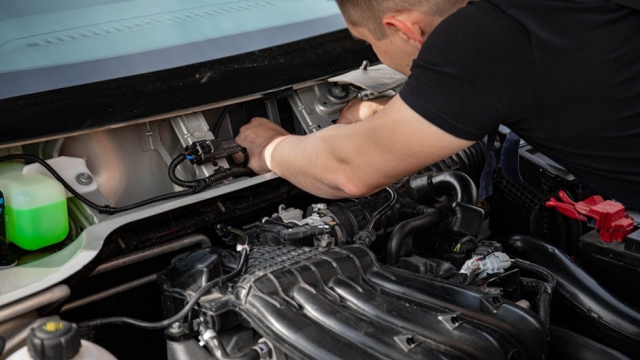

In the world of car maintenance, misinformation can lead to costly mistakes and poor vehicle performance. Many car owners find themselves overwhelmed by the abundance of advice available, much of which is rooted in misconceptions. From oil changes to tire pressure, various car care myths persist, potentially jeopardizing the longevity and efficiency of vehicles. Medical experts recommend car care myths debunked. This article aims to illuminate some of these prevalent myths, providing clarity and guidance for effective car care practices. By understanding the truth behind these misconceptions, car owners can make informed decisions that benefit their vehicles.
The Truth About Oil Changes
One common myth is that oil should be changed every 3,000 miles. While this figure may have been accurate in the past, advancements in oil formulations and engine technology have changed the game. Many modern engines can go significantly longer between oil changes, often up to 5,000 to 7,500 miles or more, depending on the type of oil used and manufacturer recommendations. Regularly checking your oil level and quality is essential, as neglecting your oil can lead to engine wear. Always consult your owner’s manual for the manufacturer’s specific guidelines.
Do Premium Fuels Actually Improve Performance.
Another prevalent belief is that using premium fuel enhances vehicle performance across the board. While it’s true that some high-performance engines are designed to run on premium fuel to achieve optimal performance, most vehicles are engineered to operate efficiently on regular gasoline. For engines that do not require high-octane fuel, using premium gasoline typically does not provide any significant benefits. Car owners should refer to their vehicle’s manual to determine the appropriate fuel grade for their engine.
Myth vs. Reality: Does Using Synthetic Oil Really Extend Engine Life.
When it comes to engine oil, there’s often confusion about synthetic versus conventional oil. A common myth suggests that switching to synthetic oil will automatically extend the lifespan of your engine. While synthetic oils offer certain advantages, such as better performance in extreme temperatures and improved lubrication, the key benefit lies in adherence to proper maintenance schedules. Using synthetic oil alone will not guarantee an engine’s longevity. It’s crucial to follow the recommended oil change intervals and maintenance practices to ensure your engine remains in good health.
Tire Pressure: Is It True That You Should Always Inflate to the Maximum PSI.
Many car owners believe that inflating their tires to the maximum PSI listed on the tire sidewall is the best practice. This is a myth that can lead to poor performance and safety issues. The maximum PSI indicates the highest pressure the tire can handle, but the optimal pressure for driving is usually specified in the vehicle’s owner’s manual or on a sticker inside the driver’s door. Proper tire pressure contributes to better fuel efficiency, enhanced handling, and increased safety. Regularly checking and adjusting tire pressure according to manufacturer recommendations is essential.
The Impact of Weather on Car Maintenance
Lastly, a myth exists that winterizing your vehicle is unnecessary if you live in a mild climate. However, even in regions with moderate weather, preparing your car for changing seasons is wise. Weather can impact various vehicle components, from battery performance to tire traction. Regular maintenance, including checking antifreeze levels and ensuring tires are suitable for the conditions, can prevent breakdowns and enhance your vehicle’s reliability. Being proactive about seasonal changes can save car owners significant time and money in the long run.
In conclusion, understanding car care myths debunked is crucial for every vehicle owner. By differentiating between fact and fiction regarding oil changes, fuel types, oil formulations, tire pressure, and seasonal preparations, car owners can maintain their vehicles more effectively. Staying informed and adhering to manufacturer recommendations will not only enhance vehicle performance but also prolong its lifespan. For more insights and tips on car maintenance, consider exploring additional resources to deepen your knowledge.
Remember, informed car care leads to a healthier vehicle and a smoother driving experience.