Essential Pool Maintenance Tasks


Maintaining a swimming pool is essential for ensuring a safe and enjoyable environment for all users. Regular upkeep not only enhances the aesthetic appeal of the pool but also contributes to its longevity and safety. Proper pool maintenance involves a variety of tasks that should be performed consistently. This article aims to provide comprehensive pool maintenance guidance, covering essential maintenance tasks, safety inspections, compliance in Virginia, and seasonal care tips to keep your pool in prime condition year-round.

Essential Pool Maintenance Tasks

To keep your pool clean and safe, several key maintenance tasks should be prioritized. These include:

Cleaning

Regular cleaning is crucial for the health of your pool. This involves skimming the surface to remove leaves and debris, vacuuming the pool floor, and brushing the walls to prevent the buildup of algae and other contaminants. Investing in a reliable pool skimmer and vacuum can make these tasks more efficient.

Chemical Balancing

Maintaining the proper chemical balance in your pool water is vital for preventing issues such as algae growth and ensuring a safe swimming environment. Regular testing of pH levels, chlorine, alkalinity, and calcium hardness is necessary. Ideally, pH should be maintained between 7.2 and 7.8, while chlorine levels should range from 1 to 3 parts per million. Adjusting these levels as needed will help keep the water clear and safe.

Equipment Checks

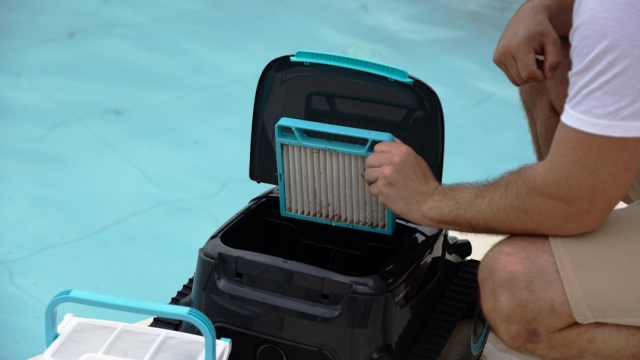
Routine checks of your pool equipment are essential for optimal performance. This includes inspecting the pump, filter, and heater for any signs of wear or malfunction. Keeping the filter clean and ensuring that the pump is functioning properly will help maintain water circulation and cleanliness. Regular maintenance of these components can prevent costly repairs down the line.

Safety Inspections and Compliance in Virginia

In Virginia, safety inspections and compliance are critical for pool owners. Ensuring that your pool meets local regulations not only protects users but also helps avoid potential legal issues. Regular safety inspections can identify hazards such as faulty equipment, improper fencing, or inadequate signage around the pool area.

It is advisable to consult with a professional who specializes in pool inspections to ensure compliance with local health and safety codes. These professionals can provide valuable pool maintenance guidance tailored to Virginia’s regulations, ensuring that your pool remains safe for all users. Regular inspections can significantly reduce the risk of accidents and enhance the overall safety of your swimming environment.

Seasonal Pool Care Tips

As seasons change, so do the needs of your pool. Here are some tips to help you prepare your pool for varying weather conditions:

Spring Maintenance

As the weather warms up, it’s important to prepare your pool for use. Start by thoroughly cleaning the pool and checking the equipment for any winter wear. Test the water and balance the chemicals before opening the pool for the season. Ensuring that the water is clear and clean will provide a welcoming environment for swimmers.

Summer Maintenance

During the hot summer months, pool usage typically increases. Regularly check and balance the water chemistry, as higher temperatures can lead to more rapid chemical fluctuations. Keep an eye on the pool’s cleanliness, skimming daily and vacuuming as needed. Additionally, ensure that safety measures are in place, such as proper fencing and safety covers.

Fall and Winter Preparation

As temperatures drop, it’s essential to prepare your pool for the cooler months. Consider a thorough cleaning and a water balance check before closing the pool for winter. Proper winterization can prevent damage from freezing temperatures, ensuring that your pool is ready for use when warm weather returns.

By following these essential pool maintenance tasks, adhering to safety inspections and compliance, and implementing seasonal care tips, you will be well-equipped to maintain your pool effectively. Regular attention to these aspects not only enhances the safety and enjoyment of your pool but also extends its lifespan, providing years of enjoyment for you and your guests.
Understanding Different Types of Pool Heaters


Installing a pool heater can significantly enhance your swimming experience, allowing you to enjoy comfortable water temperatures year-round. Proper installation is crucial not only for the efficiency of the heater but also for safety and longevity. Understanding the various types of pool heaters, the installation process, and how to choose the right service provider will empower you to make informed decisions about your pool heating needs.

Understanding Different Types of Pool Heaters

Before diving into the installation process, it's essential to familiarize yourself with the types of pool heaters available. Each type comes with its own set of benefits and considerations, which can influence your choice based on your specific needs.


Type of HeaterEnergy SourceEfficiency
Gas HeaterNatural Gas or PropaneFast heating, good for large pools
Electric Heat PumpElectricityHigh efficiency, slower heating
Solar HeaterSolar EnergyEco-friendly, dependent on sunlight


Gas heaters are known for their quick heating capabilities, making them ideal for larger pools or those needing rapid temperature adjustments. Electric heat pumps offer a more energy-efficient option, but they may take longer to heat the water. Solar heaters are environmentally friendly and cost-effective in the long run, although their performance can be limited by weather conditions.

Step-by-Step Guide to pool heater installation

Installing a pool heater requires careful planning and execution. Here is a step-by-step guide to help you through the process:

1. Gather Necessary Tools and Materials

Before starting, ensure you have all the required tools and materials, including wrenches, screwdrivers, pipe fittings, and any specific components recommended by the heater manufacturer.

2. Choose a Suitable Location

Select a location that is easily accessible for maintenance and is close to your pool's equipment pad. Ensure it is on a stable surface and complies with local codes regarding safety and clearances.

3. Install the Heater

Begin by connecting the heater to the pool's plumbing system. This typically involves connecting inlet and outlet pipes from the heater to the pool’s filtration system. Ensure all connections are secure to prevent leaks.

4. Connect the Power Supply

If you are using an electric heater, safely connect the power supply according to the manufacturer's instructions. For gas heaters, ensure proper venting and gas line connections to prevent hazards.

5. Test the System

Once everything is connected, turn on the heater and check for any leaks. Monitor the operation to ensure it is heating the water effectively and safely.

Choosing the Right Pool Heater for Your Needs

When selecting a pool heater, consider factors such as the size of your pool, your budget, and your energy efficiency preferences. A qualified service provider can assist in determining the best heater type and size based on your pool’s specifications. It's also advisable to seek out professionals for the pool heater installation to ensure safety and compliance with local regulations.

Investing in a reliable pool heater and ensuring proper installation will enhance your swimming experience. For more information on pool heater options and installation services, consider exploring the resources available at Dolphin Pool DMV. By taking the time to understand your choices and following best practices, you can enjoy a warm and inviting pool environment for years to come.

Understanding Pool Pump Functionality


Maintaining a clean and safe swimming pool is essential for enjoying those hot summer days and ensuring the health of all swimmers. One of the most vital components in keeping a pool in top condition is the pool pump. This device plays a crucial role in circulating water, filtering impurities, and maintaining balanced chemical levels. Understanding the functionality of pool pumps, recognizing common issues they may encounter, and knowing how to choose a reliable service provider for pool pump services can significantly enhance your pool experience.

Understanding Pool Pump Functionality

At its core, a pool pump is designed to move water from the pool through a filtration system and back into the pool. This process not only helps in keeping the water clear but also aids in distributing chemicals evenly, which is essential for maintaining water quality. The pump operates through a motor that draws water from the pool, pushing it through the filter and then returning it to the pool. Most pumps utilize a system of impellers, which are rotating blades that create the necessary flow of water.

The efficiency of a pool pump largely depends on its size, power, and the specific requirements of the pool it serves. A well-functioning pump can help reduce energy costs and ensure that the pool remains inviting and safe for use. Regular maintenance and timely pool pump services are essential to keep it running smoothly and to prolong its lifespan.

Common Pool Pump Issues and Solutions

Despite their essential role, pool pumps can face various issues that may hinder their performance. Being aware of these problems can help pool owners troubleshoot effectively and seek appropriate solutions. Here are some common issues:

1. Clogged Filters

One of the most frequent problems is clogged filters. When filters become dirty, they restrict water flow, which can lead to inefficient circulation. Regularly cleaning or replacing filters is crucial for optimal performance.

2. Leaks

Leaks in the pump or plumbing can lead to decreased water levels and increased energy costs. Inspecting the pump and surrounding pipes for signs of wear or damage can prevent further complications. If a leak is detected, professional pool pump services should be sought to address the issue properly.

3. Noisy Operation

If the pump is making unusual noises, it may indicate issues such as a worn-out motor, air leaks, or debris lodged in the impeller. Addressing this promptly can prevent more severe damage and ensure the pump operates quietly.

4. Overheating

Overheating can result from prolonged usage or a malfunctioning motor. Ensuring the pump has adequate ventilation and is not running longer than necessary can help mitigate this issue. If overheating persists, consulting with a professional is advisable.

Choosing the Right Pool Pump Service Provider

When it comes to maintaining or repairing your pool pump, selecting a reliable service provider is paramount. Here are some tips to help you make an informed choice:

1. Experience and Expertise

Look for a service provider with extensive experience in pool pump services. Their knowledge of various pump types and systems can ensure that they can handle any issue effectively.

2. Customer Reviews

Reading reviews and testimonials from previous customers can provide insight into the quality of service offered. Look for providers with a solid reputation for reliability and customer satisfaction.

3. Comprehensive Services

Choose a company that offers a wide range of services, including installation, maintenance, and emergency repairs. This can save you time and ensure you have a single point of contact for all your pool needs.

4. Clear Pricing

Understanding the pricing structure upfront can prevent unexpected costs. Reputable service providers should offer transparent estimates and be willing to explain their pricing in detail.

In conclusion, maintaining a pool pump is vital for ensuring a safe and enjoyable swimming environment. By understanding how these pumps function, recognizing common issues, and selecting the right service provider, pool owners can effectively manage their pool maintenance needs. For those seeking expert assistance, reliable pool pump services can make all the difference in keeping your pool in pristine condition.

What are cartridge pool filters


Cartridge pool filters play a critical role in maintaining the cleanliness and clarity of swimming pool water. These filters are designed to capture dirt, debris, and other impurities, ensuring a healthy swimming environment. Understanding how cartridge filters work, their benefits, types, maintenance practices, and where to purchase them can help pool owners make informed decisions for their swimming pools.

What are cartridge pool filters?


Cartridge pool filters consist of a cylindrical or pleated filter element housed in a container. Water from the pool is drawn through the filter, where it passes through a porous material that traps contaminants. This process helps keep pool water clear and safe for swimming. Unlike sand or diatomaceous earth filters, cartridge filters do not require backwashing, making them a popular choice for many pool owners.

Benefits of Using Cartridge Pool Filters


There are several compelling reasons to consider cartridge pool filters for your swimming pool:


1. Efficiency: These filters are effective at capturing small particles, providing clear water quality. 2. Ease of Use: Cartridge filters are relatively easy to install and maintain. They do not require complex setups or backwashing, which simplifies the filtration process. 3. Cost-Effective: While the initial investment may vary, cartridge filters often require fewer replacement parts and lower maintenance costs over time. 4. Environmentally Friendly: Without the need for backwashing, cartridge filters conserve water, which is beneficial for both the environment and your utility bills.

Types of Cartridge Pool Filters


When selecting cartridge pool filters, it’s important to consider the different types available to find the best fit for your pool size and needs. Here are some common types:


1. Standard Cartridge Filters: These are the most common type, suitable for residential pools. They come in various sizes and filtering capacities. 2. High-Flow Cartridge Filters: Designed for larger pools, these filters provide a higher flow rate, ensuring efficient filtration even in high-demand situations. 3. Replacement Cartridges: These are specific filter elements that fit into the filter housing. Selecting the right replacement cartridge is crucial for maintaining optimal performance. When choosing a filter, consider factors such as your pool's volume, desired filtration speed, and specific debris types you might encounter.

How to Maintain Cartridge Pool Filters


Proper maintenance is essential for ensuring the longevity and efficiency of cartridge pool filters. Here are some maintenance tips:


- Regular Cleaning: Depending on usage, remove and clean the cartridge every few weeks. A gentle spray with a garden hose can help dislodge debris without damaging the filter material. - Inspect for Wear: Periodically check the cartridge for signs of wear or damage. Replace it if you notice significant deterioration or if it becomes too clogged to clean effectively. - Water Chemistry: Maintain proper water chemistry to prevent excessive buildup on the cartridge. Balanced water can extend the life of the filter and improve overall pool hygiene.

Where to Buy Cartridge Pool Filters


Cartridge pool filters can be purchased from a variety of sources. Here are some options to consider:


- Local Pool Supply Stores: These stores often carry a range of filters and can provide personalized advice based on your pool type. - Home Improvement Retailers: Many large home improvement chains stock pool supplies, including cartridge filters. - Online Retailers: Websites specializing in pool equipment typically offer a wide selection of cartridge filters, often with the convenience of home delivery. For more specific options and assistance, consider visiting [Dolphin Pool DMV](https://dolphinpooldmv.com/pool-filters), which provides a comprehensive range of pool filtration solutions.


Filter TypeSuitable ForKey Feature
Standard CartridgeResidential PoolsEasy installation
High-Flow CartridgeLarge PoolsHigher filtration speed
Replacement CartridgeSpecific ModelsDirect fit for existing filters


Understanding cartridge pool filters is essential for maintaining a clean and enjoyable swimming environment. By exploring the benefits, types, maintenance tips, and purchasing options, pool owners can make informed decisions that enhance their pool experience.

Understanding the Importance of Pool Leak Inspections


Maintaining a swimming pool is essential for ensuring safety, enjoyment, and longevity. One aspect that pool owners often overlook is the importance of regular pool leak inspections. Identifying and addressing leaks promptly can prevent significant damage and costly repairs, allowing you to keep your pool in optimal condition.

Understanding the Importance of Pool Leak Inspections


A pool leak can lead to various problems, including structural damage, increased water bills, and the potential for hazardous conditions. Regular inspections help detect leaks early, minimizing the risk of extensive damage that can arise from prolonged water loss. Moreover, understanding the importance of pool leak inspections is critical for maintaining water quality and clarity, as leaks can introduce contaminants and affect chemical balance. By investing in routine inspections, you can ensure that your pool remains a safe and enjoyable space for family and friends. Not only does this practice help in preserving the integrity of the pool structure, but it also enhances its aesthetic appeal and functionality.

Common Signs of a Pool Leak and How to Identify Them


Identifying a leak in your pool is crucial for timely intervention. Here are some common signs that indicate a potential leak:


1. Water Level Fluctuations


If you notice the water level dropping significantly more than usual, it could be a sign of a leak. To check, mark the water level with tape and observe it over the next few days. If the level drops more than half an inch per day, a leak may be present.

2. Increased Water Bills


A noticeable spike in your water bill can indicate a leak. Keep an eye on your consumption; if it seems unusually high, it may be worth investigating further.

3. Cracks or Damage in Surrounding Areas


Inspect the area around your pool for any cracks or shifts in the deck or coping. These could signal issues with the pool's structure, potentially resulting from a leak.

4. Wet Spots or Puddles


Look for wet spots or puddles in your yard near the pool. Consistent moisture in these areas can indicate that water is escaping from the pool.

5. Changes in Pool Equipment


Pay attention to your pool equipment. If you notice that your pump is working harder than usual or if there's a significant drop in water pressure, it might be a sign of a leak. By keeping an eye out for these indicators, pool owners can take proactive measures to address leaks before they escalate into serious issues.

Choosing the Right pool leak inspection Service in the DMV Area


Selecting a reliable pool leak inspection service is crucial for ensuring thorough and accurate assessments. Here are some key factors to consider:


1. Experience and Expertise


Look for a service provider with extensive experience in pool leak inspections. Experienced professionals are likely to use proven methods to identify leaks effectively.

2. Customer Reviews and Testimonials


Research customer reviews and testimonials to gauge the quality of service offered by potential providers. Positive feedback can indicate reliability and competence.

3. Range of Services


Choose a company that offers a comprehensive range of services, including leak detection, repairs, and maintenance. This ensures that if a leak is found, the same team can handle the necessary repairs.

4. Certifications and Training


Ensure that the inspection team is certified and trained in the latest techniques for pool leak detection. This can give you peace of mind that they are equipped to handle various types of pools and leaks.

5. Warranty and Guarantees


Inquire whether the service provider offers any warranties or guarantees on their work. This can provide additional assurance that you are making a sound investment. By taking the time to choose the right pool leak inspection service, you can ensure that your pool remains safe and well-maintained.


Sign of a Leak Action to Take
Water Level Fluctuations Mark and monitor the water level
Increased Water Bills Review water consumption patterns
Cracks in Surrounding Areas Inspect structural integrity
Wet Spots in Yard Check for leaks around the pool
Equipment Issues Consult with a pool technician


In conclusion, regular pool leak inspections are essential for maintaining the health and safety of your pool. By recognizing the signs of a leak and choosing a qualified inspection service, you can protect your investment and ensure a safe swimming environment for all. For a thorough pool leak inspection, consider reaching out to experienced professionals who specialize in this area.

The Importance of Professional Pool Closing Services


As the seasons change and temperatures begin to drop, closing your pool for winter becomes essential to maintaining its longevity and ensuring it remains in good condition. Properly winterizing your pool prevents damage from freeze-thaw cycles and protects pool equipment from harsh weather. Many homeowners opt for professional pool closing services to ensure the job is done correctly, eliminating the stress and risk of potential mistakes. In this article, we will explore the importance of these services, provide a step-by-step guide on winterizing your pool, and highlight common mistakes to avoid during the process.

The Importance of Professional Pool Closing Services

Hiring professionals for pool closing services can save time and provide peace of mind. Experts in pool maintenance understand the intricacies involved in the process, which includes balancing chemicals, draining water, and covering the pool. By entrusting this task to experienced technicians, you minimize the risk of damage caused by improper winterization.

Additionally, professionals have access to the right tools and materials necessary for effective winterization. They can identify potential issues, such as leaks or equipment malfunctions, before they become significant problems. This preventive measure can save homeowners money in the long run by avoiding costly repairs or replacements. Overall, professional services not only ensure a thorough closing process but also give homeowners the confidence that their pool will be ready for enjoyment when warmer weather returns.

Step-by-Step Guide to Winterizing Your Pool

For those who prefer a hands-on approach, winterizing your pool can be a manageable task if you follow a systematic approach. Here’s a step-by-step guide:

1. Clean the Pool

Start by thoroughly cleaning the pool. Remove any debris, leaves, and dirt from the water and surfaces. This step helps prevent stains and algae growth during the off-season.

2. Balance Water Chemistry

Test the water’s pH, alkalinity, and chlorine levels. Adjust them to ensure the water is balanced. Proper chemistry helps protect the pool surfaces and equipment from corrosion and scaling during winter months.

3. Lower the Water Level

Drain the pool water to the appropriate level, usually below the skimmer. This prevents freezing water from damaging the skimmer and plumbing lines. Be cautious about local regulations regarding water drainage.

4. Remove Accessories and Equipment

Take out ladders, diving boards, and other accessories. Store them in a dry place to prevent damage. Additionally, remove and store any pool filters and pumps, ensuring they are cleaned and dried thoroughly.

5. Add Winterizing Chemicals

Use a winterizing chemical kit to treat the water. These products help prevent algae growth and keep the water clean throughout the winter months.

6. Cover the Pool

Finally, cover the pool with a high-quality winter cover. This prevents debris from entering the pool and minimizes the need for spring cleaning. Ensure the cover is secured tightly to withstand winter weather conditions.

Common Mistakes to Avoid When Closing Your Pool

While closing your pool can be straightforward, there are common pitfalls that many homeowners encounter:


  • Neglecting Water Chemistry: Failing to properly balance the water chemistry can lead to algae growth and damage to pool surfaces.

  • Inadequate Cleaning: Skipping the cleaning step can result in debris buildup, leading to stains and unpleasant odors by the time spring arrives.

  • Over or Under Draining: Not draining water to the correct level can cause damage to pool components from freezing and thawing.

  • Improper Covering: Using a low-quality cover or not securing it properly can allow debris and water to accumulate, complicating the reopening process.


Considering these common mistakes reinforces the value of professional pool closing services. Experts can help ensure that every detail is addressed, providing homeowners with peace of mind as they prepare their pool for winter.

In conclusion, whether you choose to hire professionals for pool closing services or tackle the winterization process yourself, being informed and prepared is essential. By understanding the importance of proper closing techniques and avoiding common mistakes, you can protect your investment and enjoy a smooth reopening when the warmer months return.

Types of Residential Pool Cover Systems


When it comes to maintaining a residential pool, safety, energy efficiency, and convenience are paramount. One effective way to achieve these objectives is through the use of residential pool cover systems. These systems not only protect your pool but also significantly enhance its overall usability. In this article, we will explore the various types of pool covers available, the benefits they provide, and specific considerations for residents in Maryland and Virginia when purchasing and installing these systems.

Types of Residential Pool Cover Systems


There are several types of residential pool cover systems, each designed to meet different needs and preferences. Understanding these options can help you choose the best fit for your home.

Safety Covers


Safety covers are typically made from durable materials and are designed to withstand heavy loads, including the weight of children or pets. These covers can be either mesh or solid. Mesh covers allow water to drain through while keeping debris out, while solid covers provide complete protection from sunlight and contaminants. Both types offer essential safety features, making them a popular choice for families.

Automatic Covers


Automatic covers offer convenience and ease of use. These systems can be opened and closed with the push of a button, making them an attractive option for homeowners who prioritize accessibility. They can be made from various materials, including vinyl and aluminum, and often come with insulation features that help retain heat in the pool. Automatic covers also provide safety and reduce maintenance by keeping debris out of the water.

Solar Covers


Solar covers, also known as solar blankets, are designed primarily to retain heat and reduce evaporation. They are typically made from a lightweight, bubble-like material that traps heat from the sun, helping to warm the pool water. While not primarily safety covers, they can still provide some level of protection against debris and are an economical choice for energy-conscious homeowners.

Benefits of Using Pool Covers


Investing in residential pool cover systems offers numerous advantages that extend beyond merely covering the pool.

Energy Efficiency


One of the most significant benefits of pool covers is their ability to enhance energy efficiency. By minimizing evaporation and retaining heat, these covers can significantly reduce heating costs. Homeowners may find that their energy bills decrease, leading to long-term savings.

Safety for Children and Pets


Safety is a primary concern for pool owners, especially those with young children or pets. Residential pool cover systems provide a reliable barrier that can help prevent accidental drownings. Many safety covers are designed to bear weight, ensuring that they can provide protection even if someone accidentally falls on them.

Maintenance Reduction


Using a pool cover can drastically reduce the amount of time and effort required for pool maintenance. By keeping leaves, debris, and dirt out of the water, covers lessen the need for frequent cleaning and chemical treatments. This not only saves time but can also prolong the life of your pool equipment.

Local Considerations for Purchasing and Installing Pool Covers in Maryland and Virginia


When considering residential pool cover systems, it's essential to factor in local conditions and regulations. Residents in Maryland and Virginia should seek covers that comply with any state safety requirements. Additionally, the climate can affect the choice of cover; for instance, solar covers can be particularly beneficial in areas with abundant sunshine. When looking to purchase, homeowners should explore local suppliers who can offer customized solutions tailored to their specific needs. Installation can often be handled by professionals, ensuring that the covers are applied correctly for maximum effectiveness and safety.

Conclusion


Residential pool cover systems are an essential investment for pool owners aiming to enhance safety, reduce energy costs, and simplify maintenance. By understanding the different types of covers available and their respective benefits, homeowners can make informed decisions that will serve them well for years to come. For those in Maryland and Virginia, local resources and professional installation services can help facilitate the best purchase and setup to meet individual needs.


Type of Cover Key Features Best For
Safety Covers Durable, weight-bearing Families with children or pets
Automatic Covers Convenient, energy-efficient Homeowners seeking ease of use
Solar Covers Heat retention, reduces evaporation Energy-conscious homeowners


By investing in the right residential pool cover systems, pool owners can enjoy a safe, efficient, and low-maintenance pool environment.

Understanding the Importance of a Pool Skimmer


Maintaining a clean and inviting swimming pool is essential for any pool owner. One of the key components that plays a significant role in this maintenance is the pool skimmer. A pool skimmer is designed to remove debris such as leaves, insects, and dirt from the surface of the water, ensuring that your pool remains clear and inviting. When it comes to the installation of a skimmer, engaging professional skimmer installation services can make a substantial difference in both the efficiency and effectiveness of the process.

Understanding the Importance of a Pool Skimmer

The pool skimmer is an integral part of a pool's circulation system. It helps maintain water clarity and hygiene by continuously filtering out unwanted debris before it sinks to the bottom. Regular skimming not only enhances the pool's appearance but also reduces the burden on other filtration systems, ultimately prolonging their lifespan. Without a properly functioning skimmer, debris accumulation can lead to algae growth and other water quality issues, necessitating more extensive cleaning and maintenance efforts.

Benefits of Hiring Professional Skimmer Installation Services

While some pool owners may consider a DIY approach to skimmer installation, there are numerous benefits to hiring professionals. First and foremost, experienced technicians have a deep understanding of pool systems and can ensure that the skimmer is installed correctly and efficiently. This expertise minimizes the risk of common installation mistakes that could lead to future problems.

Additionally, professional installation services often come with warranties, providing peace of mind that any potential issues will be addressed. These services can also help identify any underlying problems in the pool system that may not be immediately apparent to an untrained eye, allowing for timely repairs and maintenance.

How to Choose the Right Skimmer Installation Service

When it comes to selecting a professional for skimmer installation services, there are several key factors to consider:


  • Reputation: Look for services with positive reviews and testimonials from previous clients. A strong reputation often reflects reliability and quality of work.

  • Experience: Choose a service with a proven track record in pool maintenance and skimmer installations. A seasoned provider will be familiar with various pool types and systems.

  • Pricing: Obtain multiple quotes to ensure that you receive a fair price. However, keep in mind that the cheapest option may not always provide the best value.

  • Customer Support: A responsive and helpful customer service team can make a significant difference in your overall experience. Ensure that the company is willing to answer questions and provide guidance.


What to Expect During the Skimmer Installation Process

When you hire professional skimmer installation services, you can expect a systematic approach to the installation process. Initially, the technicians will assess your pool and recommend the best skimmer model based on your specific needs. Once a decision is made, they will proceed with the following steps:


Step Description
Assessment Evaluate the pool's current setup and determine the best skimmer option.
Preparation Gather necessary tools and materials for installation.
Installation Install the skimmer according to manufacturer guidelines, ensuring proper connections.
Testing Test the skimmer functionality and ensure it operates correctly.

Once the installation is complete, the technicians will provide guidance on how to maintain the skimmer effectively to ensure optimal performance.

In conclusion, investing in professional skimmer installation services can significantly enhance the functionality and cleanliness of your pool. By understanding the importance of a skimmer, choosing the right service, and knowing what to expect during the installation process, you can ensure a smooth and successful experience that leads to a cleaner, more enjoyable swimming environment.

Understanding the Importance of Pool Structure Integrity


Maintaining a leak-free pool structure is essential not just for aesthetic reasons but also for safety and cost-effectiveness. A pool leak can lead to significant water loss, increase maintenance costs, and even compromise the structural integrity of the pool itself. Understanding the importance of pool structure leak detection is crucial for every pool owner, as early detection can save time, money, and stress.

Understanding the Importance of Pool Structure Integrity

The integrity of a pool structure is paramount. A well-maintained pool not only provides enjoyment but also safeguards against potential hazards. A leak can cause the surrounding soil to erode, leading to instability and potential damage to the pool's foundation. Furthermore, water loss can create an environment conducive to algae growth and other unwanted pests. Timely pool structure leak detection is vital in preserving the pool's condition and ensuring a safe swimming environment.

Common Signs of Pool Leaks and How to Identify Them

Recognizing the signs of a pool leak early can mitigate further damage and reduce repair costs. Here are some common indicators of potential leaks:


  • Water Level Drops: If you notice that the water level in your pool is consistently lower than usual, it may indicate a leak.

  • Puddles Around the Pool: Water pooling in areas surrounding the pool can be a clear sign that a leak is present.

  • Cracks in the Pool Surface: Visible cracks or fissures in the pool structure may suggest structural issues that could lead to leaks.

  • Unexplained Increases in Water Bills: A sudden spike in water bills can be an indicator of water loss due to a leak.

  • Changes in Pool Chemistry: If you find it challenging to maintain proper chemical levels, this could be due to water loss from a leak.


Methods and Technologies for Detecting Pool Structure Leaks

When it comes to pool structure leak detection, various methods and technologies can be employed. Understanding these options can help you choose the best approach for your situation:


Method Description Effectiveness
Visual Inspection Checking for cracks and puddles around the pool. Moderate
Bucket Test Monitoring water level changes in a bucket versus the pool. High
Acoustic Listening Devices Using sound technology to locate leaks. Very High
Dye Testing Applying dye to suspected leak areas to observe movement. High


These methods range from simple DIY approaches to advanced technologies used by professionals. While visual inspections can be a good starting point, they may not always reveal hidden leaks. The bucket test is a reliable way to determine if you have a leak, while acoustic devices and dye testing offer more precision and are typically used by expert technicians.

What to Do if a Leak is Detected

If you suspect a leak and have confirmed it through one of the methods mentioned, it’s crucial to take immediate action. First, consider contacting a professional who specializes in pool structure leak detection. They possess the expertise and tools necessary to accurately locate and repair leaks, ensuring the longevity and safety of your pool. It’s essential not to delay repairs, as unresolved leaks can lead to more extensive damage and costly repairs down the line.

In conclusion, understanding the importance of pool structure integrity, recognizing the signs of leaks, and knowing the available detection methods can help pool owners maintain their investment. Regular inspections and prompt action can make a significant difference in the overall health of your pool.

For those seeking professional assistance in pool structure leak detection, consider exploring services that specialize in this area to ensure effective solutions tailored to your needs.

The Importance of Advanced Pool Maintenance Techniques


As the popularity of pools continues to rise among homeowners and businesses alike, so does the demand for advanced pool services that go beyond traditional maintenance. With an increasing focus on quality, efficiency, and safety, many pool owners are recognizing the value of specialized care that ensures their pools remain in pristine condition. In this article, we will explore the importance of advanced maintenance techniques, innovative technologies in pool services, and how to choose the right provider to meet your specific needs.

The Importance of Advanced Pool Maintenance Techniques

Regular maintenance is crucial for any swimming pool, but advanced pool services take this necessity to a new level. Specialized maintenance techniques not only extend the lifespan of the pool but also enhance the overall swimming experience. For instance, routine water chemistry analysis is essential to keep the water balanced, preventing issues such as algae growth or corrosion. Advanced services may include more precise water testing methods that provide detailed insights into the chemical composition of the pool water, allowing for tailored treatments.

Moreover, advanced pool maintenance involves thorough cleaning techniques that go beyond simple skimming and vacuuming. This can include the use of specialized tools and equipment designed to reach every nook and cranny of the pool. Professionals trained in advanced techniques are adept at identifying potential issues before they escalate, thus saving owners from costly repairs and preserving the pool's aesthetic appeal.

Innovative Technologies in Pool Services

The realm of pool maintenance has been significantly transformed by innovative technologies that facilitate better care and management. One standout development is the automated cleaning system, which utilizes robotic technology to efficiently clean the pool's surfaces. These systems can navigate the pool independently, ensuring that debris is removed without the need for manual intervention. This not only saves time but also guarantees a thorough clean that might be missed through traditional methods.

In addition to automated cleaning, advanced water testing methods have emerged, allowing for real-time monitoring of water quality. These technologies can detect imbalances in pH levels, chlorine, and other essential chemicals, enabling swift corrective actions. This proactive approach helps maintain a safe swimming environment and reduces the risk of waterborne illnesses, which is paramount in both residential and commercial settings.

Choosing the Right Advanced Pool Service for Your Needs

When it comes to selecting the right advanced pool services, several factors should be considered to ensure you receive the best care possible. First and foremost, look for providers that have a solid reputation and extensive experience in the industry. Check for customer reviews and testimonials to gauge their reliability and quality of service.

Also, inquire about the types of technologies and techniques they employ. A reputable service provider should be able to explain their maintenance practices and the safeguards they have in place to protect your pool. It’s important to understand how they approach water chemistry, cleaning, and any additional services they offer, such as equipment repair or seasonal maintenance.

Lastly, consider the level of customer service you receive during your initial interactions. A professional team should be willing to answer your questions and provide personalized recommendations based on your unique pool requirements. This level of engagement is indicative of a service that values customer satisfaction and is committed to delivering high-quality care.

In conclusion, advanced pool services are essential for maintaining the beauty, safety, and longevity of your swimming pool. By understanding the significance of specialized maintenance techniques, embracing innovative technologies, and knowing how to choose the right service provider, pool owners can ensure their investment is well cared for. For those looking to benefit from comprehensive maintenance solutions, exploring options that emphasize advanced practices will undoubtedly lead to a more enjoyable swimming experience.

For more information on advanced pool services and to explore maintenance options tailored to your needs, consider visiting this resource.