
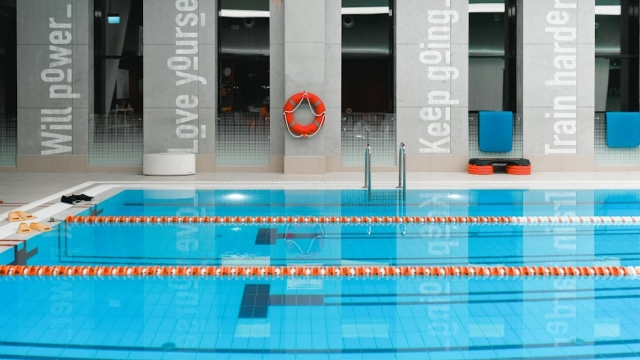

Ensuring safety in recreational pools is of paramount importance for both leisure and health. With the increasing popularity of swimming as a recreational activity, it is essential to establish and adhere to safety standards that protect users from potential hazards. recreational pool safety standards are designed to provide a framework for preventing accidents and ensuring that pools are safe environments for everyone, from families enjoying a summer day to competitive swimmers training for events.
Overview of Recreational Pool Safety Standards
Recreational pool safety standards encompass a wide array of guidelines and regulations aimed at maintaining a safe swimming environment. These standards are developed by various organizations, including health departments, safety commissions, and industry associations. They cover everything from operational protocols to maintenance requirements, ensuring that pools are constructed and operated with safety in mind.
Key elements of these safety standards often include the design and construction of the pool, lifeguard training, emergency response protocols, and the maintenance of water quality. Adhering to these standards not only helps to minimize risks but also promotes a culture of safety that can enhance the overall experience for pool users.
Key Regulations and Guidelines for Pool Safety
Several recognized authorities provide regulations that inform recreational pool safety standards. For instance, the Centers for Disease Control and Prevention (CDC) offers guidelines that focus on the management and operation of public pools. These include recommendations for water quality, safety equipment, and staff training.
Another important resource comes from the Model Aquatic Health Code (MAHC), which serves as a comprehensive set of guidelines for public swimming pools. This code addresses various aspects such as water safety, sanitation, and emergency procedures. Compliance with these regulations is crucial for pool operators and contributes significantly to reducing the risk of accidents.
In addition to federal guidelines, local and state regulations may impose specific requirements that pool owners must follow. These can include mandates for fencing, pool covers, signage, and safety equipment like life rings and first aid kits. Understanding and implementing both local and national regulations is essential for maintaining a safe recreational pool environment.
Best Practices for Maintaining Safety in Recreational Pools
Implementing best practices is vital for enhancing safety in recreational pools. Here are key strategies that facility managers and pool owners can adopt to ensure compliance with safety standards:
- Regular Inspections: Conduct frequent inspections of the pool area, including the pool structure, decks, and surrounding facilities. Check for any potential hazards such as loose tiles, slippery surfaces, or malfunctioning equipment.
- Water Quality Management: Maintain proper water chemistry through regular testing and treatment. This includes monitoring pH levels, chlorine concentrations, and ensuring that filtration systems are functioning effectively.
- Staff Training: Ensure that lifeguards and staff receive ongoing training in safety protocols, emergency response, and first aid. Regular drills can help prepare staff for real-life situations.
- Clear Signage: Use clear and visible signage to inform users of safety rules, depth markings, and emergency procedures. This can help prevent accidents and promote responsible behavior.
- Emergency Preparedness: Equip the pool area with essential safety equipment, including life jackets, rescue tubes, and first aid kits. Establish a clear plan for emergency situations, including designated roles for staff and communication protocols.
Conclusion
Adhering to recreational pool safety standards is crucial for ensuring the well-being of all pool users. By understanding key regulations and implementing best practices, pool operators can create a safe and enjoyable environment. Whether it is a community pool, a hotel pool, or a private facility, prioritizing safety standards not only protects individuals but fosters a culture of responsibility and care within the swimming community. For facility managers seeking to enhance their safety measures, exploring comprehensive resources can provide valuable insights into effective pool management.
For more information about maintaining safety in commercial pools, consider visiting resources that focus on best practices and safety compliance.